Description
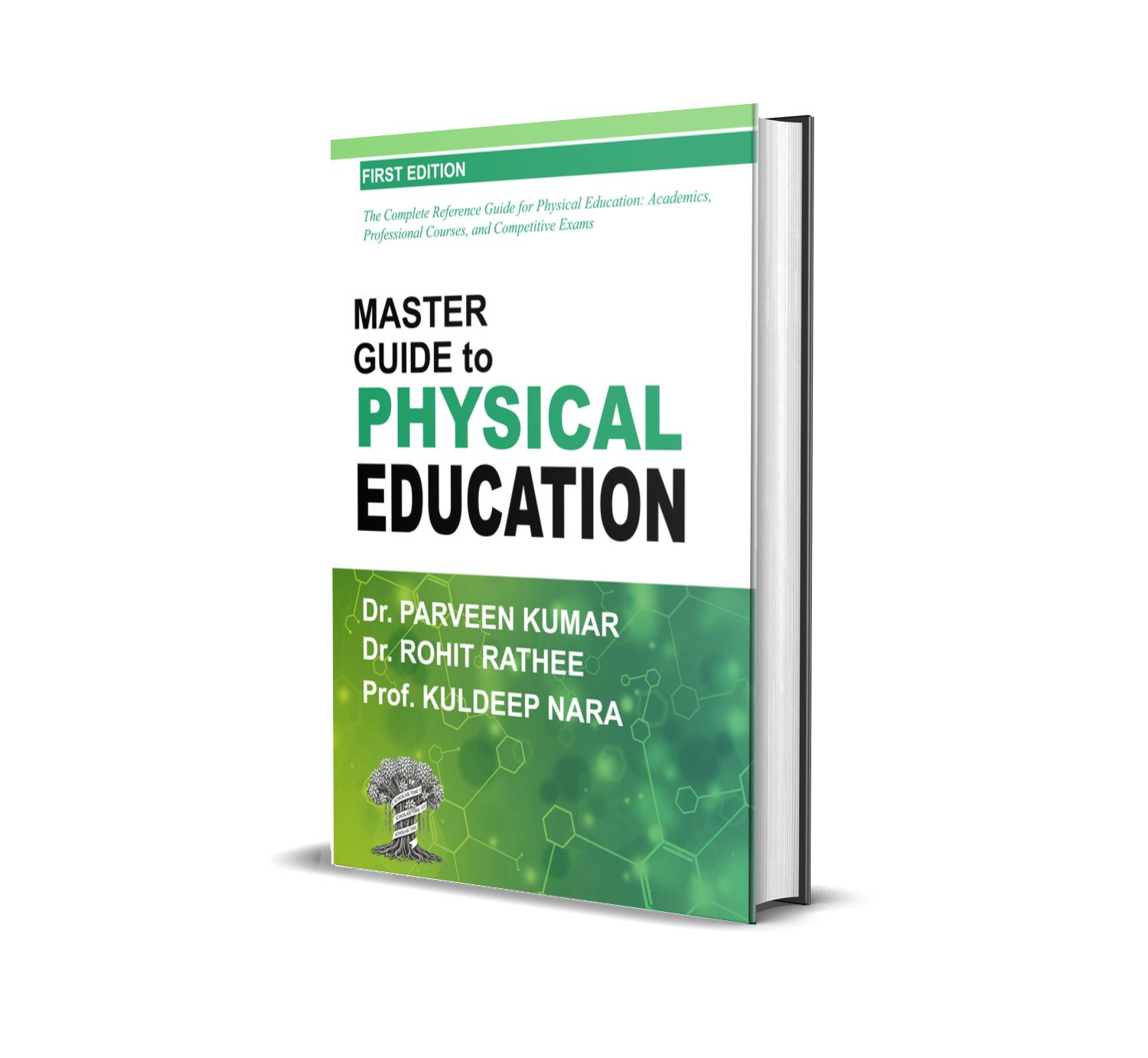
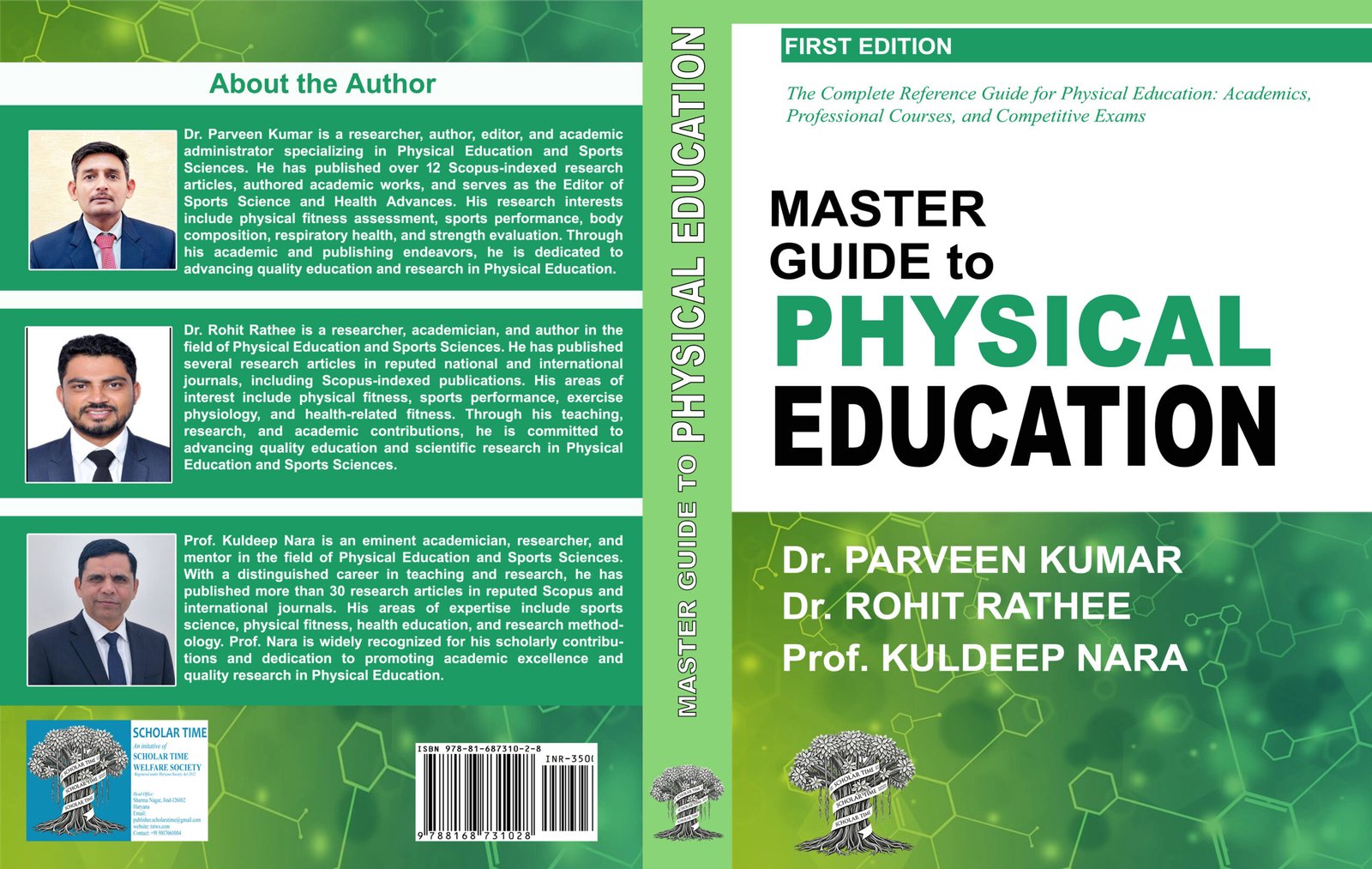
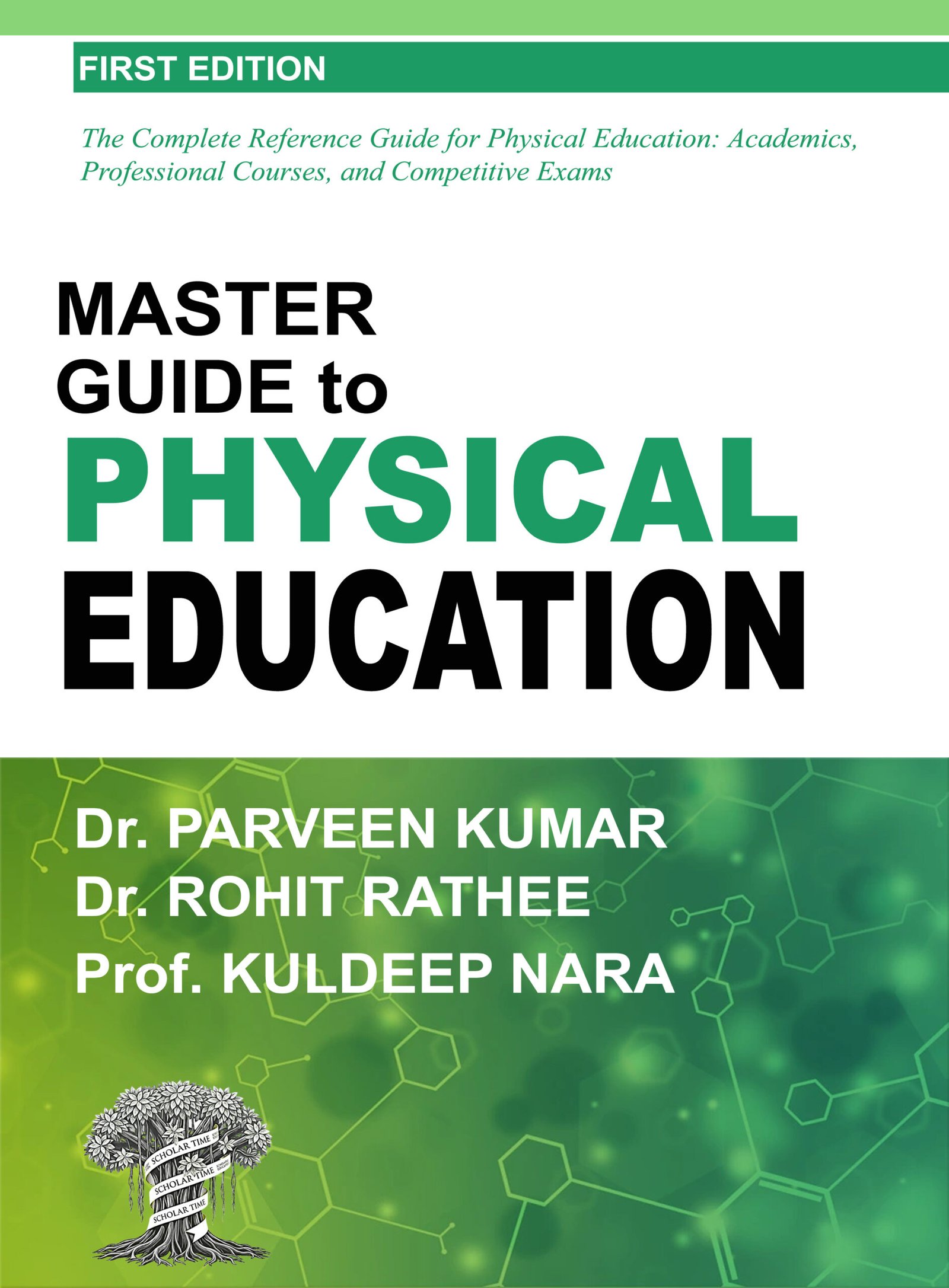
Master Guide to Physical Education is a comprehensive textbook designed to provide students with a clear, systematic, and examination-oriented understanding of the major areas of Physical Education and Sports Sciences. The book brings together fundamental concepts, theoretical knowledge, practical applications, and contemporary developments in Physical Education, making it useful for undergraduate and postgraduate students as well as candidates preparing for competitive examinations.
The book begins with the foundations and history of Physical Education, helping readers understand the development, philosophy, objectives, and changing nature of Physical Education and sports. It then develops the scientific foundation through Anatomy and Physiology, explaining the structure and functioning of the human body and its relationship with physical activity and sports performance.
The chapter on Sports Medicine and Athletic Injuries introduces common sports injuries, their causes, prevention, immediate management, rehabilitation, and principles of safe participation. Sports Training focuses on the scientific principles and methods used to develop physical fitness and sports performance, including training components, training methods, planning, periodization, talent identification, and development of athletic abilities.
The book also gives considerable importance to the psychological dimension of sports. Sports Psychology explains motivation, personality, anxiety, stress, emotions, aggression, confidence, concentration, mental preparation, goal setting, group dynamics, leadership, and psychological skills required for effective sports performance.
Health Education and Health discusses the meaning and dimensions of health, health education, physical fitness, nutrition, personal hygiene, communicable diseases, lifestyle diseases, first aid, pollution, substance abuse, and the role of Physical Education in promoting healthy living. The emphasis is on developing healthy habits and understanding the relationship between physical activity, health, and wellness.
The book further addresses Teacher Education and Curriculum in Physical Education, covering the development of professional preparation, qualities and responsibilities of Physical Education personnel, curriculum planning and development, teaching aids, timetables, credit systems, technology, and curriculum evaluation. This section is particularly useful for students preparing for teaching and professional roles in Physical Education.
The chapter on Research Methodology provides students with the essential knowledge required to understand and conduct research in Physical Education and Sports Sciences. It covers research concepts, research problems, variables, hypotheses, sampling, data collection, measurement, research designs, statistical techniques, interpretation, and reporting of research findings.
Overall, Master Guide to Physical Education has been developed as a concept-oriented, student-friendly, and examination-focused reference book. Important definitions, principles, classifications, theories, methods, and applications are presented in a structured manner to make complex topics easier to understand and revise. The book also emphasizes the scientific and interdisciplinary nature of Physical Education by connecting it with anatomy, physiology, psychology, health, medicine, research, education, and sports training.
The book is intended to serve as a useful academic resource for B.P.Ed., M.P.Ed., B.A./B.Sc. Physical Education and Sports Science students, teachers, researchers, and candidates preparing for examinations such as UGC-NET and other Physical Education teaching and recruitment examinations. It can also be used as a reference for classroom teaching, examination preparation, assignments, and general academic study.
The overall objective of the book is not merely to help students remember information, but to develop a clear conceptual understanding of Physical Education and its practical application in health, fitness, education, and sports performance.
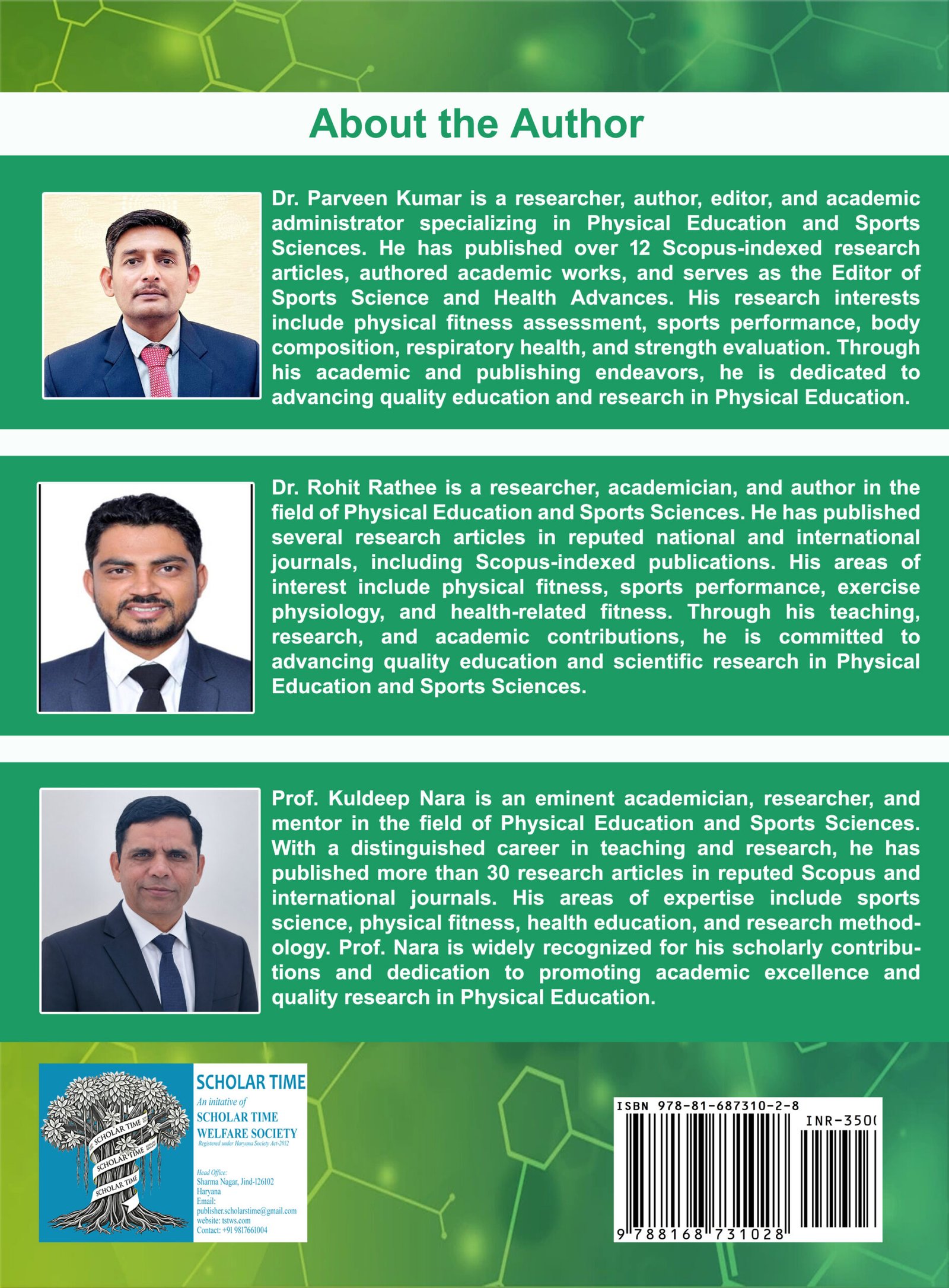
Authors:
Dr. Parveen Kumar
Dr. Rohit Rathee
Prof. Kuldeep Nara